
By Mika Leah, CEO and Founder of Goomi Group
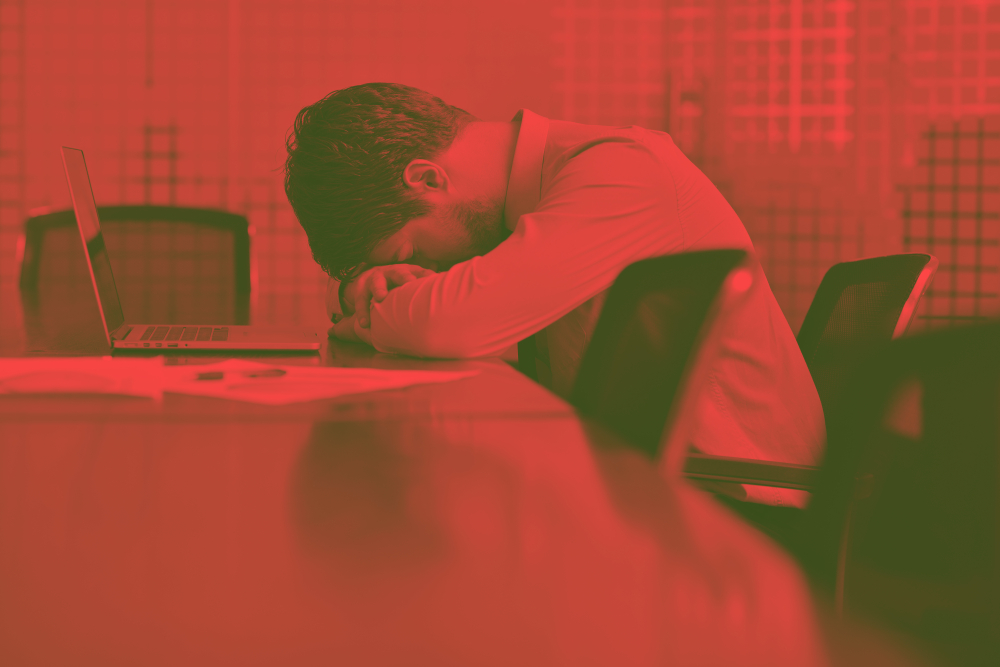
Last month, I sat across from a CHRO who looked like she hadn’t slept in days. Dark circles framed her eyes as she explained that her company had invested heavily in standing desks, gym memberships, and meditation apps, yet employee engagement scores kept declining. When I asked about their approach to sleep and workplace productivity, she paused. “We never really thought about that as part of our wellness strategy.”
She’s not alone. While companies pour resources into fitness challenges and nutrition programs, employee sleep health remains the overlooked foundation of workplace wellness. Adults who consistently get seven to nine hours of sleep show significantly better cognitive performance than their sleep-deprived colleagues, according to research published in the journal Sleep.
The Real Cost of Running on Empty
Think about your team right now. Statistically, one-third of American adults aren’t getting enough sleep, based on CDC data. These aren’t just tired people who need an extra cup of coffee (though they definitely need that too). Sleep deprivation affects decision-making, creativity, emotional regulation, and interpersonal relationships. The impact of poor sleep on health extends beyond yawning through afternoon meetings. It increases the risk of chronic conditions like diabetes, cardiovascular disease, and obesity.
For HR professionals trying to control healthcare costs, this matters enormously. A study by RAND Corporation found that insufficient sleep costs U.S. companies approximately $411 billion annually in lost productivity. When we talk about corporate sleep wellness, we’re discussing a significant line item on your balance sheet. Suddenly that sleep seminar doesn’t seem so frivolous, does it?
Understanding the Science Behind Rest and Performance

Our bodies run on an internal 24-hour clock called the circadian rhythm. This biological timekeeper regulates when we feel alert and when we feel drowsy, influencing everything from hormone production to metabolism. When we consistently override this system by staying up late scrolling through emails or watching just one more episode, we’re essentially asking our bodies to function against their natural programming.
The cognitive benefits of sleep are substantial. During deep sleep, our brains consolidate memories, process information, and clear out cellular waste. It’s like running a system update and disk cleanup simultaneously. Skip this process regularly, and you’re running your team on buggy software that crashes at the worst possible moments.
Practical Strategies for Better Rest
The good news? You don’t need to police bedtimes or peek into employees’ bedrooms to support better sleep. Start by creating a comprehensive sleep resource guide that employees can access whenever they need it—similar to other workplace wellness initiatives that empower employees to take charge of their health.
This approach respects boundaries while providing genuine value. Your team gets science-backed strategies they can implement on their own terms, and you’ve positioned the company as a partner in their wellbeing.
What Kind of Information Should You Include in a Sleep Resource Guide?
Here are some essential sleep hygiene tips worth sharing.
- Address screen time before bed. Blue light from devices suppresses melatonin production, making it harder to fall asleep. Encourage your employees to stop using screens at least 30 minutes before bedtime. Some forward-thinking companies have started including blue light blocking glasses in their wellness benefits packages. Yes, they look a bit like you’re about to perform laser eye surgery on yourself, but they work.
- Support creating a restful environment at home. Temperature matters more than most people realize. The National Sleep Foundation recommends keeping bedrooms between 60-67°F for optimal sleep. Simple changes like blackout curtains, white noise machines, or even quality pillows can transform sleep quality.
- Consider progressive napping at work policies. Companies like Google and NASA have embraced strategic napping, finding that 20-30 minute power naps can boost alertness and performance without causing grogginess. A quiet room with a comfortable chair might be one of your highest-ROI wellness investments. Just maybe establish a “no drooling on company furniture” policy.
Managing Stress and Fatigue Systemically

The relationship between stress and sleep creates a vicious cycle. Stress makes it harder to fall asleep, and poor sleep makes us less equipped to handle stress. Breaking this cycle requires a comprehensive approach to fatigue management that addresses both organizational and individual factors.
Look at workload distribution, deadline expectations, and after-hours communication norms. If your culture rewards the person who sends work emails at 2 AM, you’re actively undermining sleep health. Consider implementing communication boundaries or “email curfews” that protect personal time. Your employees will thank you, and their families will probably send you holiday cards.
Some organizations are experimenting with sleep tracking devices as part of their wellness programs, offering incentives for meeting sleep goals. While tracking can increase awareness, be mindful of privacy concerns and avoid creating additional stress around sleep metrics. The goal is better rest, not turning bedtime into another performance review.
Employee Health Education and Disease Management Programs
Employee health education matters, but only when it leads to action. The best disease management programs work better when there’s less disease to manage. Revolutionary, right?
The difference between programs that deliver results and those that fizzle out lies with integration. The best initiatives make wellness the default option, not an extra task people need to remember between meetings. Give people the tools, remove the barriers, and watch what happens.
Year one might show modest returns, but by year three, you’re seeing compound benefits that make your CFO genuinely smile during budget reviews.
Building a Culture That Values Rest
Changing workplace sleep culture starts at the top. When leaders openly prioritize their own sleep and respect boundaries around rest, it gives permission for everyone else to do the same. Share stories about how adequate sleep improves your own performance. Make it okay to be human and acknowledge that rest and performance aren’t opposing forces but complementary ones.
Real change happens when improving sleep habits becomes part of your comprehensive employee wellness strategy, not just another wellness checkbox. It means evaluating whether your meeting schedules, travel expectations, and workload demands actually allow people to maintain healthy sleep patterns.
We have an opportunity to shift how corporate America thinks about productivity. Imagine workplaces where being well-rested is celebrated rather than viewed as a luxury. Where staying late is the exception rather than the expectation. Where we measure success not just by output but by sustainable performance.
To learn more about how Goomi Group can help you build a wellness program that actually works (sleep included), reach out to us at info@goomigroup.com. Because your team deserves to show up as their best selves, not their most exhausted.
About the Author: Mika Leah is the Founder and CEO of Goomi Group, where she combines her passion for wellness with a talent for making healthy living accessible and fun. When she’s not helping companies transform their wellness programs, you might find her practicing what she preaches – usually with a green smoothie in one hand and a spreadsheet of ROI calculations in the other.