
By Mika Leah, CEO and Founder of Goomi Group
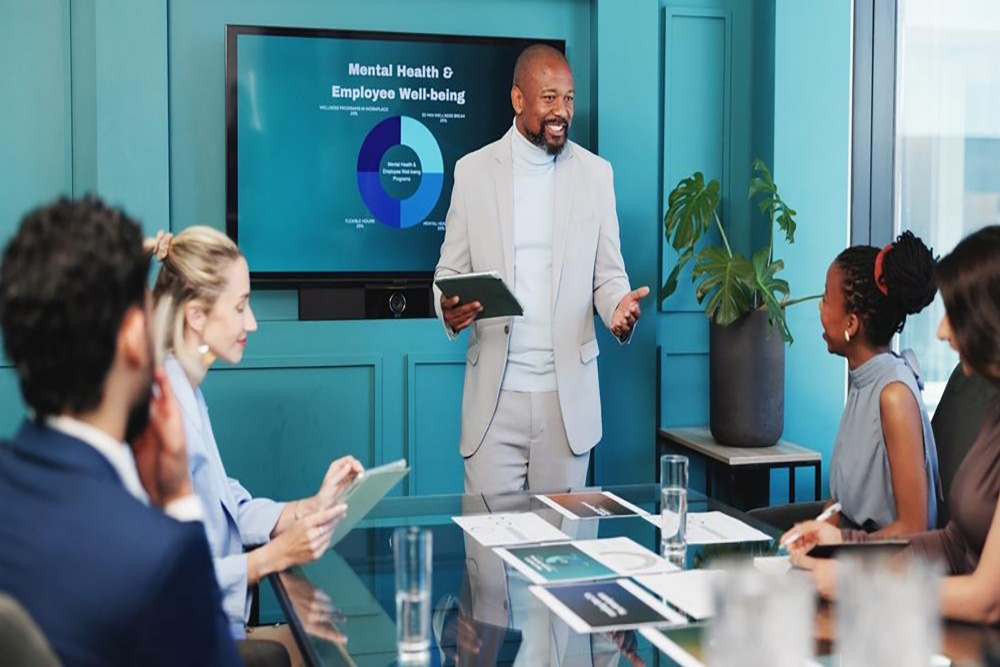
In the modern corporate landscape, the line between a thriving business and a struggling one is increasingly drawn by the health of its workforce. As we move through the first quarter of 2026, the era of “check-the-box” wellness (characterized by dusty gym discounts and once-a-year health fairs) has officially ended. Forward-thinking HR leaders and C-suite executives are now pivoting toward strategic employee health initiatives that treat wellbeing not as a secondary benefit, but as a core business driver.
This shift from “perk” to “policy” is more than a cultural trend; it is a tactical response to rising healthcare costs and the persistent threat of talent attrition. When wellness is woven into the very fabric of your organizational strategy, it transforms from a soft expense into a high-yield investment.
The 2026 Shift: Why “Perks” Are No Longer Enough
For years, corporate wellness was relegated to the sidelines of the benefits package. It was something “nice to have,” often utilized by only the top 5% of already-fit employees. However, recent industry data shows that 95% of employees now believe physical, mental, and social wellbeing are deeply interconnected.
A generic gym reimbursement (which statistics show up to 67% of employees never actually use) cannot address this holistic need. To see real results, companies must implement comprehensive workplace wellbeing solutions that meet employees where they are, whether they are in a high-rise office or a home office.
True strategic employee health initiatives focus on “whole-person” wellness. This means moving beyond the physical to address the three pillars of the modern worker:
- Mental Fitness: Proactively building resilience rather than just reacting to burnout.
- Social Connection: Using wellness as a “virtual water cooler” to bridge the gap in hybrid and global teams.
- Physical Longevity: Focusing on functional movement and injury prevention that keeps employees energized throughout the workday.
The Tangible Benefits of Corporate Wellness Programs
When evaluating the benefits of corporate wellness programs, many leaders mistakenly focus only on insurance premiums. While reduced medical claims are a significant factor, the “hidden” benefits often provide the greatest ROI.

First, consider the reduction in presenteeism, which is the phenomenon where employees are physically present but mentally “checked out” due to fatigue or stress. Strategic initiatives that include mindfulness and movement have been shown to increase daily focus by up to 20%. Second, there is the undeniable impact on brand reputation. In a world where Glassdoor reviews can make or break a recruitment cycle, being known as a company that prioritizes health is an invaluable asset.
By offering workplace wellbeing solutions that actually resonate with the workforce, companies demonstrate a level of empathy and care that fosters deep-seated loyalty. This isn’t just about feeling good; it’s about creating a culture where employees feel supported enough to perform at their peak.
Driving High Performance: Employee Engagement and Wellness Programs
There is a direct, linear correlation between employee engagement and wellness programs. Disengaged employees are often those who feel like a “cog in the machine,” detached from the company’s mission and their own physical health.
When a company introduces interactive, live-taught wellness sessions such as Goomi Group’s virtual HIIT or Yoga classes, it breaks the monotony of the workday. It provides a shared experience that transcends departmental silos. This collective participation builds a sense of community that static video libraries simply cannot replicate.
Furthermore, employee engagement and wellness programs act as a feedback loop. By utilizing onboarding surveys and participation data, HR can see exactly what their team values. This data-driven approach allows for the constant refinement of the program, ensuring that the investment is always aligned with the actual needs of the people.
The Retention Factor: Why Wellness is Your Best Recruitment Tool
One of the most pressing challenges for HR in 2026 is the cost of turnover. Replacing a mid-level manager can cost up to 150% of their annual salary when you factor in recruiting, onboarding, and lost productivity. This is why many organizations are looking to increase employee retention wellness programs as a primary defensive strategy.
Employees stay where they feel valued. When a company invests in strategic employee health initiatives, they are sending a clear message: “We value your long-term health more than your short-term output.” This creates a “sticky” culture. In a recent survey, over 80% of employees at companies with high-engagement wellness programs reported they were “highly unlikely” to look for a new job in the next 12 months.
To effectively increase employee retention wellness programs must be consistent. A one-off wellness day isn’t enough to change a culture. It requires a cadence of activities like weekly classes, monthly seminars, and quarterly challenges that become a predictable and beloved part of the employee experience.
The Goomi Advantage: Scaling Excellence

What separates a “top-tier provider” from a mere vendor is the ability to customize and scale. Goomi Group’s philosophy centers on an expert-led approach that blends movement with injury prevention and mental clarity. We don’t just provide a link; we provide a partnership.
Our platform-agnostic delivery means that whether your team uses Zoom, Teams, or Google Meet, the experience is seamless. By focusing on the benefits of corporate wellness programs that are live and interactive, we ensure that every session feels personal, regardless of the distance.
Conclusion: Securing Your Competitive Edge
As we look toward the remainder of 2026, the competitive advantage will go to the companies that treat their people like their most valuable asset. By moving beyond the “perk” mentality and embracing strategic employee health initiatives, you aren’t just helping your team get fit, you are building a more resilient, loyal, and productive organization.
Investing in workplace wellbeing solutions is no longer a luxury for the Silicon Valley giants; it is a necessity for any business that wants to thrive in this modern economy. The ROI is clear, the engagement is measurable, and the impact on your bottom line is undeniable.
FAQ: Strategic Wellness in 2026
Q: Do corporate wellness programs reduce workplace stress?
A: Absolutely. Comprehensive programs that integrate mindfulness, live interactive fitness, and mental fitness coaching are specifically designed to build resilience and provide proactive stress management tools before burnout occurs.
Q: What can employers do to support whole-person wellness?
A: Employers should look beyond physical workouts to offer a “wellbeing ecosystem” that includes nutritional education, financial wellness workshops, mental health support, and social team-building activities that address employees’ lives both inside and outside the office.
Q: How can a corporate wellness program improve employee recruitment and retention?
A: By positioning your company as a “wellness-first” organization, you attract high-quality talent that values longevity. Additionally, consistent programs significantly increase employee retention wellness programs because they foster a culture of support, reducing the likelihood of employees seeking opportunities elsewhere.
About the Author: Mika Leah is the Founder and CEO of Goomi Group, where she combines her passion for wellness with a talent for making healthy living accessible and fun. When she’s not helping companies transform their wellness programs, you might find her practicing what she preaches – usually with a green smoothie in one hand and a spreadsheet of ROI calculations in the other.