
By Mika Leah, CEO and Founder of Goomi Group
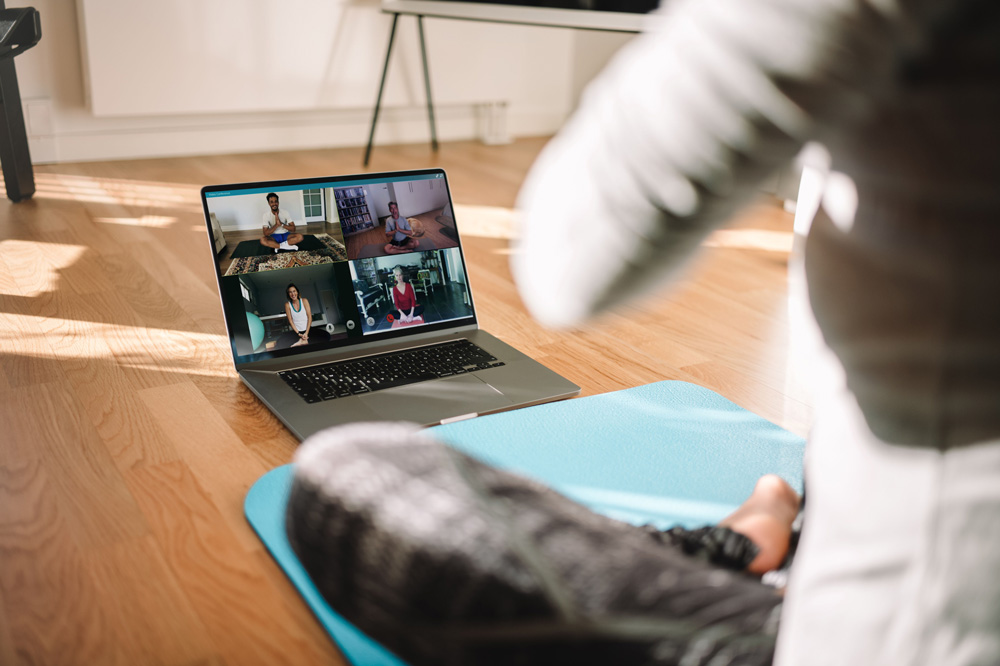
As we head into March and leadership teams across the country begin finalizing their Q2 roadmaps, a quiet crisis is brewing in the virtual workspace. While the flexibility of remote work has become a non-negotiable for the modern workforce, it has arrived with a hidden tax: a “loneliness epidemic” and a physical stagnation that traditional HR tools are failing to address.
For the hybrid workforce of 2026, engagement is no longer about who shows up to the Zoom call—it’s about who feels connected to the culture once the camera turns off. To bridge this gap, organizations must move beyond the “perk” mentality and enter the frontier of digital wellness.
The Evolution of Wellness Programs for Remote Employees
The days of simply emailing a link to a pre-recorded workout video and calling it a “wellness program” are over. Today’s dispersed teams are suffering from digital fatigue. To truly move the needle, wellness programs for remote employees must evolve from static resources into live, interactive experiences.
Static content often feels like just another “to-do” item on an already overflowing plate. In contrast, live sessions foster the social friction and spontaneous interaction that remote workers miss from the office watercooler. When a team joins a live mindfulness session or a guided stretching break together, they aren’t just improving their health; they are co-creating a shared experience that bridges the geographical gap. This is the heart of virtual community building.
The “Loneliness Epidemic” and the Hybrid Challenge
Remote work isolation is not just a personal struggle for employees; it is a significant risk factor for business continuity. Isolation leads to disengagement, and disengagement leads to turnover. In a hybrid model, this is exacerbated by a sense of “FOMO” (fear of missing out) among those at home while their colleagues are in the office.
A robust hybrid work wellness strategy addresses this by creating “equity of experience.” Whether an employee is in the headquarters in Chicago or a home office in Austin, the wellness touchpoints should feel equally accessible and communal. This requires interactive wellness platforms that allow for real-time feedback, chat, and shared goals, turning a solitary workout into a collective victory.
Solving the Engagement Gap: Beyond “Presenteeism”
One of the most dangerous challenges in the remote landscape is the rise of virtual presenteeism. This occurs when employees feel the need to be “always on”—responding to every Slack message instantly or staying logged in late into the evening—simply to prove they are working. This “online presence” is often a mask for declining productivity and mounting stress.
Strategic wellness initiatives break this cycle by giving employees “permission” to disconnect and prioritize their well-being. By integrating virtual team building fitness activities into the work week, organizations send a clear message: we value your output and your health more than your “Active” status dot. These activities serve as powerful employee morale boosters for remote teams, replacing the pressure of constant availability with the camaraderie of shared goals.

The Global Challenge: Accessibility Across Time Zones and Skill Levels
A masterclass in engagement requires a global perspective. For companies with distributed teams, remote employee workout solutions must be inclusive and accessible. This means navigating the logistical hurdles of a global workforce.
- Time Zone Equity: Offering sessions that accommodate teams in various regions without requiring anyone to log on at unreasonable hours.
- Universal Accessibility: Designing movements that can be done in a home office, a small apartment, or a standing desk, regardless of the employee’s current fitness level.
- Asynchronous Options: While live interaction is the gold standard, providing high-quality asynchronous fitness solutions ensures that those with childcare needs or conflicting deadlines never feel left behind.
Digital Well-Being: Reclaiming the Work-Life Boundary
In 2026, the conversation has shifted from “work-life balance” to work-life integration vs balance. The lines are no longer blurred; they are often non-existent. Digital well-being initiatives help employees set these boundaries. This involves teaching “digital hygiene”—how to step away from screens, how to practice desk ergonomics to prevent “tech neck,” and how to utilize mindfulness to transition from the “work mode” to “home mode” when the commute is only ten feet.
Remote Worker Burnout Prevention
Burnout in remote workers is often “quiet.” Without the visual cues of a stressed employee in the office, managers often miss the warning signs until it’s too late. A proactive wellness program acts as a diagnostic tool. High participation in wellness sessions is a sign of a healthy culture; a sudden drop in engagement can be an early warning sign of remote worker burnout. By prioritizing inclusive virtual wellness, companies create a safety net that catches employees before they reach the breaking point.
Tracking What Matters: The Goomi Advantage
The primary reason remote wellness programs fail is a lack of visibility. Most providers can tell you how many people clicked a link, but they can’t tell you if your team feels more connected or less sedentary.
At Goomi Group, we’ve built a platform specifically designed to track the metrics that other providers ignore. From real-time engagement data during live sessions to longitudinal shifts in team morale, we provide the insights HR Directors need to prove the value of their investment. We move your strategy from “hoping it works” to “knowing it’s winning” through global team engagement data.
Conclusion: Building the Community of the Future
The remote and hybrid revolution is here to stay. March is the perfect time to evaluate if your current “perks” are actually engaging your workforce or if they are just digital noise. To thrive in Q2 and beyond, your organization needs more than just a fitness app; it needs a community-centric wellness strategy that reaches across screens and time zones.
Ready to bridge the gap in your virtual workspace? Book a Goomi Group Demo today and see how we turn digital distance into team strength.
Frequently Asked Questions
Q: What are the key components of a successful corporate wellness program in a hybrid work environment?
A: Success in a hybrid setting requires a strategic mix of live interaction, on-demand accessibility, and activities that foster social connection regardless of physical location. It’s not just about the “workout”; it’s about the “we.” A successful program must be easy to access, culturally inclusive, and supported by leadership to ensure it becomes part of the daily workflow rather than an outside distraction. This ensures global team engagement and long-term participation.
Q: How do health fairs improve workplace wellness in a remote setting?
A: Digital health fairs provide centralized access to resources, screenings, and experts, creating a unified wellness culture even for dispersed teams. By hosting a virtual event where remote employees can engage with nutritionists, mental health professionals, and fitness experts in real-time, you recreate the “event” feel of an in-person fair. This centralizes wellness programs for remote employees and provides a high-impact morale boost.
Q: What is the best way to prevent remote worker burnout?
A: The most effective method is a combination of cultural permission to disconnect and structured remote worker burnout prevention programs. Encouraging regular “movement snacks” and providing virtual team building fitness activities helps break the monotony of the screen and fosters a sense of belonging that protects against the emotional exhaustion of isolation.
Q: How can we ensure our wellness program is inclusive for all fitness levels?
A: Inclusivity is achieved through inclusive virtual wellness design. This means offering a variety of classes—from high-intensity HIIT to chair yoga and guided meditation—ensuring that every employee, regardless of physical ability or space constraints, can participate and feel successful.
About the Author: Mika Leah is the Founder and CEO of Goomi Group, where she combines her passion for wellness with a talent for making healthy living accessible and fun. When she’s not helping companies transform their wellness programs, you might find her practicing what she preaches – usually with a green smoothie in one hand and a spreadsheet of ROI calculations in the other.