
By Mika Leah, CEO and Founder of Goomi Group

We’ve all gotten pretty good at running “collaborative” meetings across three time zones, but when it comes to employee well-being, many hybrid teams are still searching for the right formula.
Your team is hitting their numbers, collaboration tools are humming along nicely, and the hybrid schedule is working like clockwork. Sarah logs in from her kitchen table on Monday, collaborates with the team in-person Wednesday, then works from her home office Thursday and Friday.
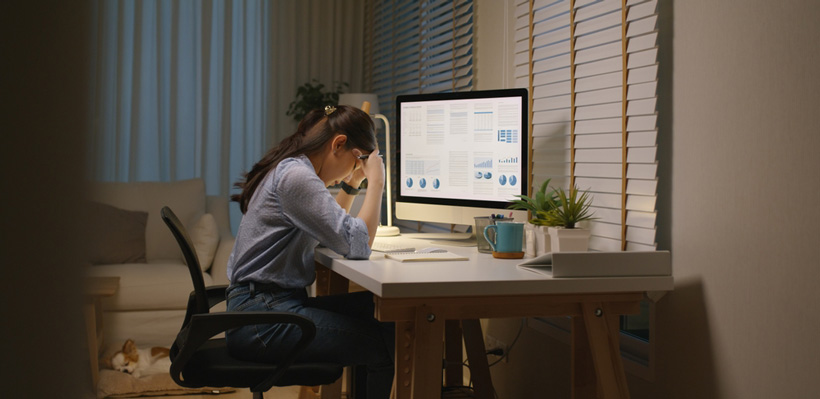
What’s wrong with that? The fact that nobody’s talking about whether Sarah’s “productivity” is actually sustainable, or if her remote setup is leaving her out of the wellness support her in-office teammates receive — not to mention the constant challenge of maintaining work-life balance for remote workers.
This is what I’m calling the Hybrid Wellness Paradox. We’ve invested billions in making hybrid work function – the productivity metrics look great – but we’ve barely scratched the surface of making hybrid work healthy. 84% of employees say they’re more productive in hybrid/remote settings, yet managers report 62% productivity in 2024 vs. 79% in 2023. Something’s not adding up, and it’s showing up in ways that don’t appear on quarterly reports.
The Investment Mismatch Nobody’s Talking About
Companies are pouring resources into collaboration technology (hello, endless Zoom subscriptions and that one person who still can’t figure out how to unmute) while wellness programs are stuck in 2019. Only 32% of employers are investing in high-end collaboration tech, but that’s still far ahead of wellness technology investments that actually work across hybrid workforce models.
Budgets flow toward seamless screen-sharing, yet the same remote employees are left with chronic back pain from kitchen-table offices and zero home office ergonomics support. There’s a notable decrease in location-dependent wellness offerings, reflecting a shift towards flexible wellness solutions. Except flexible doesn’t mean cheaper—it means building inclusive wellness strategies that actually adapt to both remote employee well-being and in-office wellness programs.
The proximity paradox hasn’t gone away in hybrid work—it’s multiplied. In-office employees may sit close together but feel overlooked as leaders focus on managing remote teams. Meanwhile, remote employees are digitally connected but physically cut off from wellness resources that were designed for on-site access.
Why Most Wellness Approaches Fall Short in Hybrid Models
Most companies realize they need to address hybrid workforce wellness and respond with predictable solutions: generic wellness apps for everyone and basic virtual wellness challenges. These aren’t bad ideas, but they’re treating symptoms rather than the core issue.
The real problem? Traditional wellness programs were designed around a shared physical space and consistent routines. When you take that foundation away, simply digitizing existing programs is like trying to fix a structural problem with better paint. 45% of respondents expected more investment in wellness programs in 2024, but the majority of that investment is going toward one-size-fits-all digital solutions that don’t account for the dramatically different wellness challenges faced by a diverse workforce across unique work environments.
Remote employees wrestle with isolation and makeshift home offices. In-office teams deal with crowded spaces and commute stress. Engaging distributed teams that are constantly switching between both worlds face challenges that don’t fit neatly into either box. The problem? Most wellness programs still act as if everyone has the same job in the same building with the same needs.
Five Ways to Build Wellness That Actually Works in Hybrid Models
Creating effective hybrid workforce wellness requires rethinking the entire approach, not just digitizing existing programs. Here’s what companies that are getting it right are doing differently:
1. Stop Building Programs, Start Building Systems.
Instead of separate wellness offerings for remote and in-office employees, create interconnected systems that adapt based on where and how people work. This means ergonomic assessments that cover both home and office setups, mental health support for hybrid teams, and technology for remote wellness that integrates with in-person resources.
2. Invest in Wellness Technology That Bridges Environments.
64% of Gen Z employees stressed the value of wellness-related technology in the office (for example, to manage lighting and air quality for an optimal environment). But smart wellness technology shouldn’t stop at the office door. Advanced digital health platforms need to work seamlessly whether someone’s accessing them from a corporate wellness room or their living room, providing consistent support across all work environments.
3. Measure What Matters for Distributed Teams.
Traditional wellness metrics don’t capture the unique challenges of hybrid work. Track measuring engagement in hybrid models across different work environments (because “present but on mute for 47 minutes” doesn’t count as engagement), measure the effectiveness of virtual wellness challenges versus in-person wellness offerings, and pay attention to patterns that indicate when flexibility is helping versus hurting employee wellbeing.
4. Create Connection Points That Don’t Require Physical Presence.
Remember that maintaining team connection isn’t just about collaboration – it’s about creating a sense of shared purpose and mutual support that transcends location. This includes online fitness classes that bring distributed teams together and programs that create community rather than just individual workouts.
5. The Goomi Group Approach to Hybrid Wellness Reality
At Goomi Group, we recognize that the hybrid workforce isn’t just a new way of working – it’s a fundamentally different employee experience that requires wellness solutions designed from the ground up for flexibility and connection.
Our approach starts with understanding that effective hybrid workforce wellness isn’t about offering the same program in different formats. It’s about creating flexible wellness solutions that recognize the unique challenges of managing wellbeing across multiple work environments, the mental load of constant context-switching, and the need for inclusive wellness strategies that don’t leave anyone behind based on where they happen to be working.
We work with organizations to develop digital health offerings that truly integrate with physical wellness resources, not just supplement them. Our virtual wellness programs are designed to build authentic connection between engaging distributed teams, and our technology for remote wellness creates meaningful engagement rather than just checking boxes.
Through our comprehensive platform, Goomi’s Studios+, we deliver live and on-demand wellness programs directly to employees whether they’re in the office or working remotely, creating a central hub that adapts to wherever your workforce happens to be.
Moving Forward: Wellness as Hybrid Work Infrastructure
The most forward-thinking organizations are recognizing that wellness isn’t a program you add to hybrid work – it’s infrastructure that makes hybrid work sustainable. Just like you wouldn’t expect collaboration technology from 2019 to support today’s hybrid teams, wellness approaches designed for traditional offices won’t support the complex needs of distributed workforces.
Research indicates employers are maintaining their commitment to employee well-being, allocating approximately $275 per employee in 2024, but the question isn’t how much you’re spending – it’s whether you’re addressing the right challenges. Companies that solve the Hybrid Wellness Paradox will have teams that aren’t just productive in multiple environments, but actually thrive in them.
The hybrid workforce reality is here to stay, but it doesn’t have to mean compromised employee wellbeing. By building wellness systems that adapt to how people actually work today, organizations can support both the remote employee well-being managing isolation and ergonomic challenges and the in-office team member navigating a completely different set of wellness needs.
Ready to Solve the Hybrid Wellness Paradox for Your Organization?
At Goomi Group, we specialize in building a wellness infrastructure that works as hard as your collaboration tools. Let’s discuss how our adaptive wellness solutions can create genuine wellbeing support across your entire distributed team – no matter where they’re working today. Reach out to us at info@goomigroup.com.
About the Author: Mika Leah is the Founder and CEO of Goomi Group, where she combines her passion for wellness with a talent for making healthy living accessible and fun. When she’s not helping companies transform their wellness programs, you might find her practicing what she preaches – usually with a green smoothie in one hand and a spreadsheet of ROI calculations in the other.