
By Mika Leah, CEO and Founder of Goomi Group
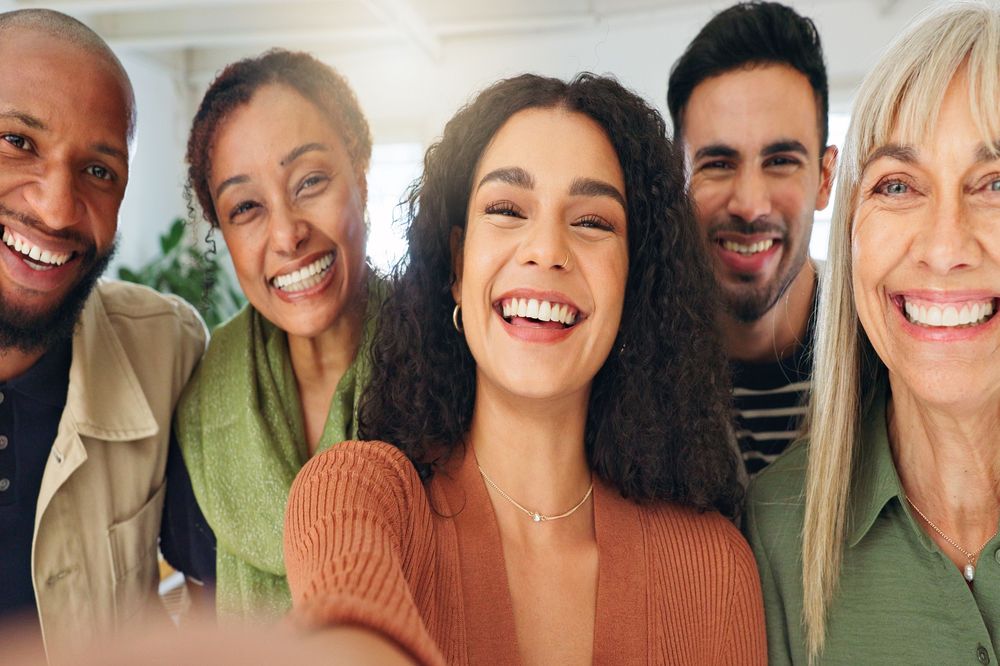
In the competitive labor market of 2026, the “War for Talent” has entered a sophisticated new phase. It is no longer enough to offer a competitive salary and a standard benefits package. Top-tier professionals, particularly those in the Millennial and Gen Z cohorts, are looking for something deeper: a “culture of care.” For HR leaders, this shift has turned strategic employee health initiatives from a peripheral benefit into a core pillar of a successful long-term talent strategy.
The cost of losing a high-performing employee is staggering—often estimated at 1.5 to 2 times their annual salary when factoring in recruitment, onboarding, lost institutional knowledge, and the “ramp-up” time for a replacement. To anchor your best people, you must move beyond transactional benefits and focus on the loyalty factor. Here is how modern wellness programs serve as your most powerful retention tool.
Shifting from “Place of Work” to “Culture of Care”
Retention begins with the psychological contract between the employer and the employee. When a company invests in employee engagement and wellness programs, they are sending a clear signal: We value you as a human being, not just a unit of production.
This shift in perception is the foundation of a healthy workplace culture. Employees who feel their physical, mental, and emotional health are prioritized are significantly more likely to stay with an organization during periods of stress or market volatility. In 2026, wellness is the ultimate proof of a company’s values. It transforms the workplace from a location where tasks are completed into a community where the individual is supported. This sense of belonging is the strongest “anchor” a company can provide.
The Direct Link Between Engagement and Wellness
The leading cause of voluntary turnover in 2026 remains burnout. The “Quiet Quitting” and “Great Resignation” trends were symptoms of a workforce that felt physically and mentally depleted. Strategic wellness initiatives act as an early-warning system and a preventative measure against this “brain drain.”
By providing consistent access to stress management tools, physical activity, and nutritional guidance, companies can mitigate the chronic stress that leads to resignation. When you increase employee retention with wellness programs, you are essentially protecting your human capital from depreciation. A proactive approach to wellness ensures that your team stays energized and capable of high-level performance over the long haul, rather than burning out and seeking “relief” at a competitor.
Combating the Cost of Burnout: A Retention Necessity
Timing is everything in a world-class SEO and content strategy. While morning workouts are great for personal discipline, lunchtime online fitness classes are the ultimate strategic tool for corporate energy management.
A mid-day movement break serves as a “circuit breaker” for the stress of the morning. It allows employees to step away from their screens, reset their nervous systems, and return to their desks for the afternoon session with a renewed sense of vigor. These sessions act as employee morale boosters, providing a social touchpoint (even virtually) that breaks the isolation of deep work. When these classes are live and interactive, the accountability factor ensures that employees actually step away from their email, rather than eating lunch at their desks while continuing to work.

Human Capital Management: The Strategic Advantage
In the eyes of a sophisticated HR Director, wellness is a critical component of human capital management. It is an investment in the “uptime” and longevity of the workforce. By integrating wellness into the core operations of the business—rather than treating it as an annual “event”—companies create a durable competitive advantage.
This integration is particularly vital for attracting talent. In a world where glassdoor reviews and social media “day-in-the-life” videos define a company’s brand, a visible commitment to wellness is a magnet for top talent. Once they arrive, the quality and consistency of the program ensure they stay. At Goomi Group, we specialize in creating these high-impact, integrated programs that become a defining feature of your company’s identity.
Customization: The Key to Authentic Retention
A “one-size-fits-all” wellness program can actually hurt retention if it feels out of touch with the needs of the staff. Authenticity is the currency of loyalty. To truly anchor talent, programs must be personalized to the specific demographics and interests of the workforce.
Whether it’s offering prenatal yoga for a growing demographic of parents, high-intensity HIIT for an energetic sales team, or guided meditation for a high-stress executive group, customization shows that the company is listening. At Goomi, we use onboarding surveys and demographic data to ensure that our strategic employee health initiatives resonate deeply with your people, fostering the deep-seated loyalty that keeps your best talent exactly where they belong: with you.

Conclusion: Investing in the Long Game
Retention is not a single event; it is a series of daily decisions made by your employees to remain committed to your vision. By making wellness a central part of that vision, you ensure that their decision to stay is an easy one. As we move through 2026, the companies that thrive will be those that recognize that their most valuable asset is the health and loyalty of their people.
Frequently Asked Questions
Q: How can a corporate wellness program improve employee recruitment and retention?
A: By demonstrating a tangible, daily investment in employee well-being, companies build a “culture of care” that attracts top-tier talent who prioritize work-life integration. For existing staff, these programs reduce the physical and mental drivers of burnout, fostering the deep loyalty and sense of belonging necessary to significantly reduce turnover. It transforms the company from a “job” into a supportive community.
Q: What is the process for customizing a corporate wellness program to fit our company’s specific culture and demographics?
A: Goomi Group begins with a deep dive into your organization’s unique needs, including onboarding surveys and demographic analysis. We don’t believe in a “cookie-cutter” approach. We analyze class participation and feedback to ensure the variety of classes—from HIIT to mindfulness—and the scheduling align perfectly with the unique lifestyle and interests of your workforce.
Q: What is the typical “ramp-up” time for seeing retention results from a wellness program?
A: While morale often sees an immediate boost, measurable shifts in retention and recruitment data typically become clear within 6 to 12 months of consistent program implementation. This allows the wellness culture to become an established part of the employee experience and a recognizable feature of the company’s external brand.
Q: How do you measure the impact of wellness on employee loyalty?
A: We recommend tracking several key metrics: participation rates in wellness sessions, scores in employee engagement surveys related to “feeling supported,” and a year-over-year analysis of turnover rates. When wellness participation is high, we consistently see a corresponding increase in “Employee Net Promoter Scores” (eNPS).
About the Author: Mika Leah is the Founder and CEO of Goomi Group, where she combines her passion for wellness with a talent for making healthy living accessible and fun. When she’s not helping companies transform their wellness programs, you might find her practicing what she preaches – usually with a green smoothie in one hand and a spreadsheet of ROI calculations in the other.